
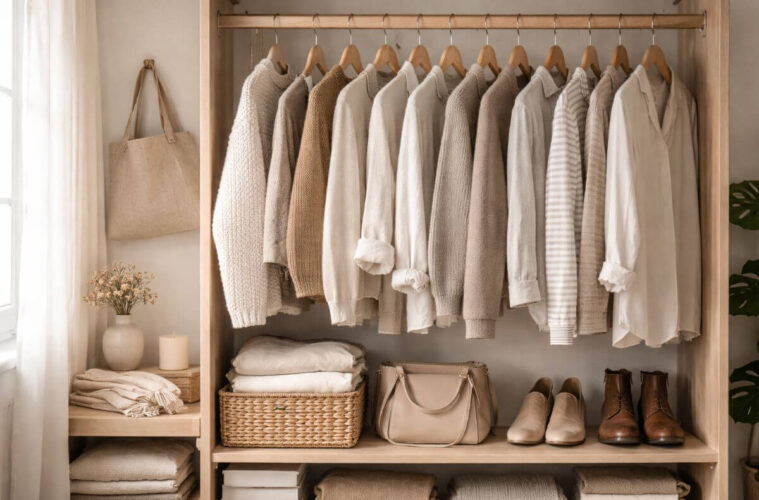
You might feel the pace of life pushing you faster than you want to go. Trends shift weekly, your feeds fill with new “musthaves”, and the pressure to keep up can feel relentless. Yet you may also sense a quieter movement gaining strength – one that nudges you to pause, consider what you own and choose with intention. Slow fashion taps into that impulse.
It encourages you to value quality, longevity and meaning in a world that rewards speed. As you take this approach, you start to notice that it affects far more than your wardrobe; it reshapes the way you decide, spend and live.
Slow fashion, simply explained
- Slow fashion prioritises quality, longevity and thoughtful purchasing over rapid trends.
- It encourages buying fewer items that fit your lifestyle and age well over time.
- Construction, fabric and repairability matter more than novelty.
- Slow fashion often extends into wider lifestyle choices, from home décor to spending habits.
- The goal is clarity and confidence, not restriction or minimalism.
What is slow fashion?
Slow fashion asks you to choose items that serve you well rather than chase rapid cycles of novelty. Instead of buying something because it feels current, you evaluate how well it fits your lifestyle and whether the fabric will withstand frequent wear. You might inspect seams, check fibre content and look for finishes that resist pilling or distortion.
These simple habits help you recognise pieces that justify their space in your wardrobe. Slow fashion also encourages you to support makers who treat workers fairly and use responsible materials, so your choices mirror your values.
How slow fashion is becoming a complete mindset
Once you practise slow fashion, the mindset often extends to other parts of your daily life. You start to question impulse decisions and favour considered ones. For example, when you plan a room refresh, you might assess what you already own before you buy anything new. You may seek objects that age well rather than those designed for quick replacement.
This doesn’t require a strict minimalist approach; instead, it nudges you to create surroundings that feel grounded rather than cluttered. You also begin to notice how slower habits like repairing, adjusting or maintaining give you a deeper connection to the things you choose to keep.
Why we’re investing in things that last
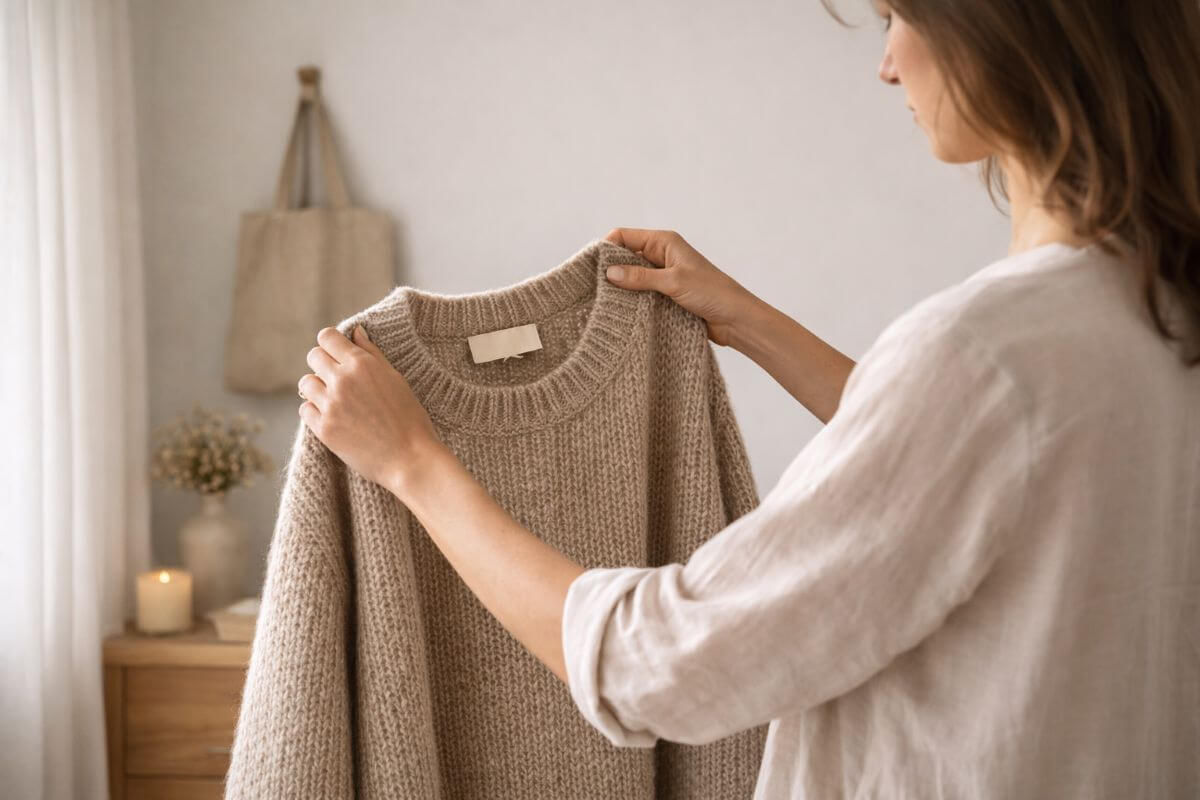
You invest in longlasting pieces because they save you time, money and frustration in the long run. A coat with reinforced stitching or a knit made from merino keeps its shape for years, which means you avoid the cycle of constant replacement.
When you want to judge whether something will endure, compare its construction to pieces you already trust. Look at weight, density and hardware quality. If you also research the brand’s aftercare or repair options, you build a collection that evolves with you instead of fading quickly. This approach creates a quieter, more stable wardrobe that supports rather than complicates your lifestyle.
Choosing pieces that hold their story
Luxury takes on more meaning when you select items that grow richer with time. You might choose leather goods that develop patina rather than peel, or jewellery with enduring craftsmanship instead of trendled designs. Preowned Rolex watches embody this idea because they carry both mechanical reliability and personal history; you wear something that already proved its worth.
When you apply the same logic across your wardrobe, you move away from novelty-driven consumption and toward pieces that accompany you for years. This shift doesn’t restrict you – it frees you to dress with clarity, confidence and continuity.
What is the difference between slow fashion and sustainable fashion?
Slow fashion focuses on how you buy and wear , choosing fewer, better-made items and using them longer. Sustainable fashion focuses more on how items are produced, including materials and labour practices. The two often overlap, but they are not the same.
Do I need to stop buying new clothes to embrace slow fashion?
No. Slow fashion isn’t about never buying anything new. It’s about buying with intention — choosing items you’ll wear often, care for properly and keep for years rather than seasons.
Is slow fashion only for people with bigger budgets?
Not necessarily. While some slow-fashion pieces cost more upfront, they often save money over time by reducing replacement. Buying fewer items, repairing clothes and choosing pre-owned pieces can make slow fashion more affordable than fast fashion.
How can I start practising slow fashion without changing my entire wardrobe?
Start small. Try:
- wearing what you already own in new ways
- repairing or altering one item instead of replacing it
- waiting 30 days before buying something new
- choosing one well-made piece instead of several trend-led ones
Does slow fashion mean dressing in a minimalist style?
No. Slow fashion isn’t an aesthetic — it’s a mindset. You can enjoy colour, statement pieces and personal style while still prioritising quality, longevity and meaning.
Why does slow fashion feel linked to wellbeing?
Because it reduces decision fatigue, impulse spending and clutter. Many people find that slowing down their choices creates a sense of calm, clarity and confidence that extends beyond clothing.